
Physiotherapy in Caledon: Common Conditions Treated by Physiotherapists
13th, Oct 2026
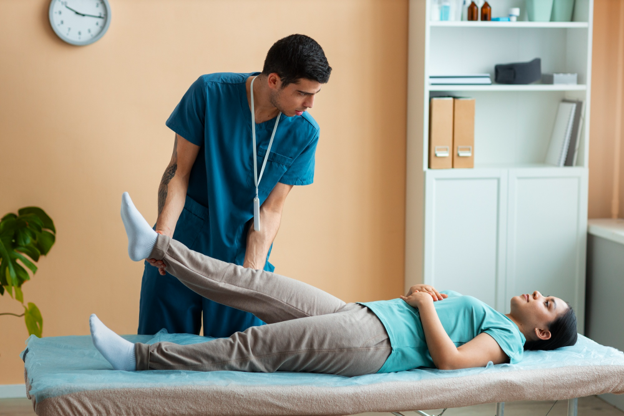
Physical discomfort changes daily routines in unexpected ways. When a nagging backache or a stiff shoulder slows down movement, simple tasks turn into major hurdles. Finding reliable Physiotherapy in Caledon helps residents regain mobility and return to active routines without unnecessary interruptions. Professional clinics focus on diagnosing root causes rather than hiding temporary symptoms. Local care teams guide patients through targeted physical rehabilitation programs designed for long-term health and joint stability.
Addressing Posture and Workplace Ergonomics
Daily office routines place prolonged, static pressure on the spine and neck. Hours spent hunched over monitors weaken core stabilizing muscles and tighten chest tissues. Physical therapists evaluate workspace setups and recommend ergonomic adjustments to reduce daily strain. Simple changes to chair height, monitor placement, and lumbar support prevent chronic spinal misalignment.
Ergonomic Correction Strategies
- Monitor Alignment: Position top screen borders at eye level to prevent forward head carriage.
- Lumbar Support: Use rolled towels or ergonomic cushions to maintain natural lower back curves.
- Frequent Movement Breaks: Stand, stretch, and walk briefly every hour to maintain circulation.
Rehabilitating Post-Surgical Recovery Phases
Surgical procedures on knees, shoulders, or hips demand structured postoperative rehabilitation. Controlled movement prevents excessive scar tissue formation and restores proper joint mechanics. Clinical protocols guide patients safely through progressive weight-bearing exercises. Gradual strengthening ensures repaired tissues heal securely without unexpected setbacks.
Post-Surgical Protocols
- Early Mobilization: Gentle passive movements initiated shortly after surgery to prevent stiffness.
- Swelling Management: Elevated positioning and targeted techniques to reduce post-operative inflammation.
- Progressive Strengthening: Step-by-step resistance training tailored to surgical healing milestones.
Managing Chronic Arthritis and Joint Pain
Degenerative joint conditions cause persistent stiffness that limits daily independence. Physical activity often feels counterintuitive when joints ache, yet structured movement remains vital. Therapists design low-impact exercise programs that lubricate joints and strengthen surrounding musculature. Regular participation reduces joint friction and eases daily discomfort significantly.
Joint Protection Techniques
- Low-Impact Aerobics: Swimming and stationary cycling maintain cardiovascular health without joint pounding.
- Muscular Stabilization: Strengthening quadriceps and hamstrings to absorb physical shock loads.
- Pacing Activities: Breaking heavy tasks into smaller intervals to conserve physical energy.
Overcoming Chronic Headaches and Jaw Tension
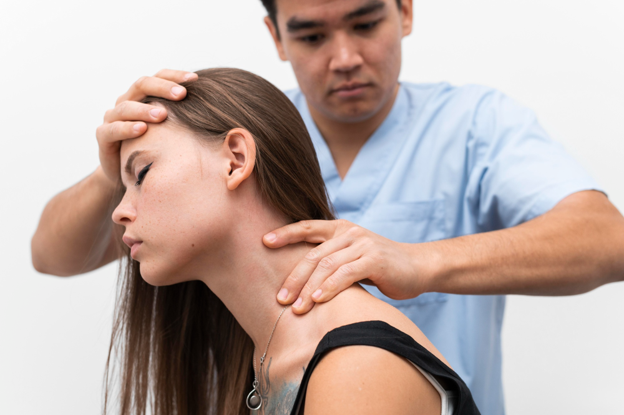
Persistent tension headaches frequently originate from tight neck muscles and jaw clenching. Stress and poor posture combine to lock cervical joints into rigid patterns. Specialized physical therapy incorporates soft tissue release and craniofacial exercises. Releasing these deep muscular restrictions provides lasting relief from recurring head pain.
Relief Approaches for Headaches
- Cervical Mobilization: Gentle manual adjustments to release upper neck vertebrae stiffness.
- Jaw Relaxation Drills: Guided exercises to correct temporomandibular joint tracking issues.
- Trigger Point Release: Direct pressure applied to knots in upper trapezius muscles.
Supporting Pediatric and Developmental Needs
Growing children sometimes experience developmental coordination delays or musculoskeletal imbalances. Early intervention addresses gait abnormalities, toe walking, and congenital torticollis effectively. Pediatric specialists use play-based exercises to encourage normal motor skill development. Building strong physical foundations early ensures children maintain optimal mobility through adolescence.
Pediatric Focus Areas
- Balance Training: Fun interactive games designed to improve vestibular processing and stability.
- Stretching Routines: Gentle lengthening exercises for tight congenital muscle restrictions.
- Coordination Drills: Activities enhancing bilateral integration and gross motor control.
Enhancing Balance and Fall Prevention in Seniors
Aging brings natural declines in muscle mass, bone density, and sensory feedback. These changes increase the risk of unexpected slips and dangerous falls. Balance-focused rehabilitation programs target core stability and lower extremity strength. Consistent practice restores confidence and allows older adults to navigate daily environments safely.
Fall Prevention Exercises
- Single-Leg Stands: Holding supported balances to challenge ankle stabilizing responses.
- Tai Chi Movements: Slow, deliberate weight shifts that enhance spatial awareness.
- Resistance Band Work: Maintaining hip abductor strength crucial for side-to-side stability.
Understanding Daily Physical Strains
Modern lifestyles involve long hours at desks, repetitive movements, and occasional sports injuries. These habits place excessive strain on muscles and joints. Many individuals ignore minor aches until movement becomes restricted. Physical therapy intervenes early to correct posture, strengthen supporting structures, and prevent chronic degeneration.
Common Musculoskeletal Challenges
- Lower Back Pain: Caused by prolonged sitting, heavy lifting, or sudden twisting motions.
- Neck and Shoulder Stiffness: Frequently linked to poor computer workstation setups.
- Repetitive Strain Injuries: Affecting wrists and elbows due to constant typing or manual labor.
- Joint Degeneration: Gradual wear and tear impacting knees, hips, and ankles.
Targeted Treatments for Sports and Accident Injuries
Active individuals and motor vehicle accident victims require specialized care to recover full physical function. Standard rest is rarely enough to heal torn ligaments or severe sprains. Clinicians utilize evidence-based interventions to accelerate tissue repair and restore natural biomechanics.
Advanced Recovery Methods
- Manual Therapy: Skilled hands-on movements release tight tissue and improve joint mobility.
- Modalities: Modern equipment reduces local inflammation and manages acute discomfort effectively.
- Exercise Prescription: Customized movement plans rebuild strength around vulnerable joints.
- Gait Retraining: Correcting walking patterns to reduce undue pressure on lower limbs.
Restoring Long-Term Mobility and Balance
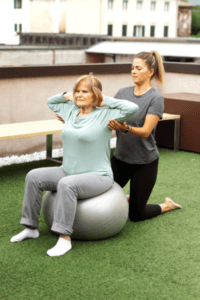
Rehabilitation extends far beyond initial pain relief. Maintaining independence requires consistent joint health, muscular balance, and proper coordination. Therapists work closely with individuals to design home exercise routines that reinforce clinical progress and protect against future injuries.
Key Benefits of Consistent Care
- Improved Flexibility: Enhanced range of motion across major muscle groups.
- Postural Awareness: Better alignment during work and leisure activities.
- Fall Prevention: Increased lower body stability for older adults.
- Enhanced Athletic Output: Greater strength and endurance for recreational sports.
Conclusion
Recovering physical wellness requires dedicated professional guidance, patient education, and consistent effort. Addressing joint and muscle concerns early prevents minor issues from developing into chronic limitations. Residents seeking expert care can rely on the dedicated professionals at Ruhani Physio & Wellness to support every step of the rehabilitation journey toward a healthier lifestyle.
Frequently Asked Questions
How many sessions of physical therapy are usually required?
Treatment duration depends on the specific condition, severity of the injury, and individual healing rates. A thorough initial assessment allows the care team to outline a realistic timeline during the first appointment.
Do I need a doctor referral to start treatment?
Medical referrals are generally not mandatory for booking an initial physical assessment. However, patients should check their private insurance policies because certain providers require a physician note for reimbursement.
What should I wear to my first appointment?
Loose and comfortable clothing is best for clinical evaluations. Garments that allow easy access to the affected area help the practitioner examine joint movement accurately.
Are treatments covered by extended health insurance?
Most employer-sponsored health benefit plans cover physical therapy services. Direct billing options help streamline administrative paperwork for eligible patients.